
Fyntralis Fyntralis

Clear books for busy teams in Korea

Small business accounting software that fits Korea — explained in plain operational terms, from chart of accounts to the VAT period close.

Read it before you compare platforms Orientation

Fyntralis is an educational resource run from a small office in Seoul. We explain double-entry bookkeeping, bank reconciliation, invoice automation, and cash flow management for owners, managers, and bookkeepers who need cloud accounting that works with Korean VAT, electronic tax invoices, and KRW bank flows.

Start with a topic, compare platforms, then read concise overviews before you talk to your accountant. Everything here is written to be checked, questioned, and brought to the person who signs off.

A woman at a wooden desk in a bright Seoul office entering a bank transaction into a laptop showing a cloud accounting ledger, with a passbook and receipt nearby

Column sum — bank reconciliation

What Fyntralis covers for your business Act II reviewed 11 Nov

Ten practical guides, one reconciled workflow

We focus on cloud accounting for business use: general ledger structure, accounts payable and accounts receivable, payroll handoffs, inventory tracking where relevant, and monthly close. Each guide names who does what, what document is needed, and where an accountant reviews the result.

Bank reconciliation without the month-end scramble weekly

Bank reconciliation means matching every bank and card movement to a ledger entry with evidence attached. We show how to connect KRW accounts, import statements, set matching rules, and clear exceptions weekly instead of monthly.

You will see how to handle transfers between accounts, fees, refunds, and unallocated receipts. Short routine, fewer surprises, easier review by your tax practice.

Hands on a laptop trackpad with a bank statement open in soft light beside a paper statement on the desk
Invoice automation that respects Korean e-invoicing series

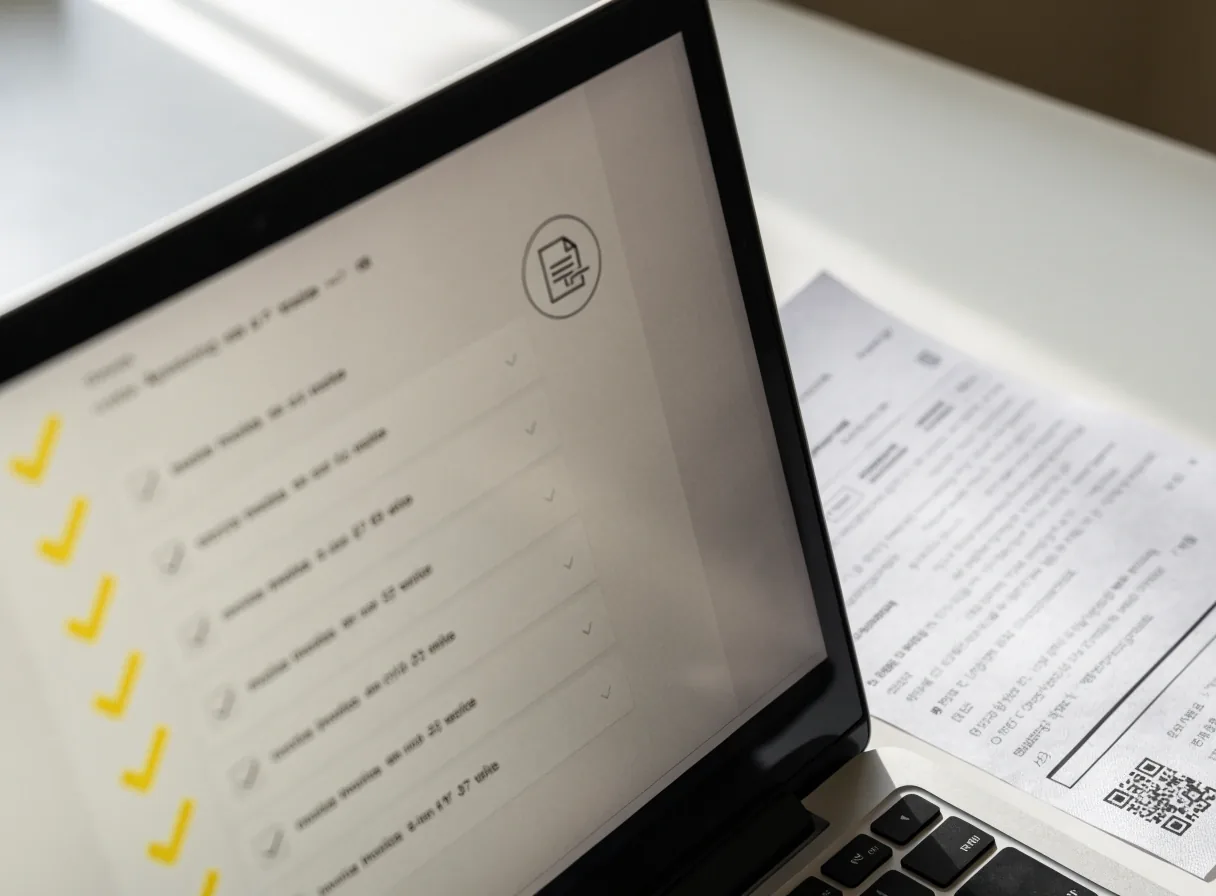
Invoice automation here covers issue, delivery, collection, and matching to receipts, including electronic tax invoice practice expected in South Korea. We explain numbering, supply value and VAT separation, credit notes, and overdue follow-up.

Service firms get time-and-project billing notes, product firms get stock and delivery linkage. The goal is fewer manual retypes and a clear trail from quote to cash.

A laptop screen showing an invoice automation list with yellow ticks beside each entry, next to a Korean e-invoicing receipt with a QR code.
Cash flow management you can check on Mondays Monday

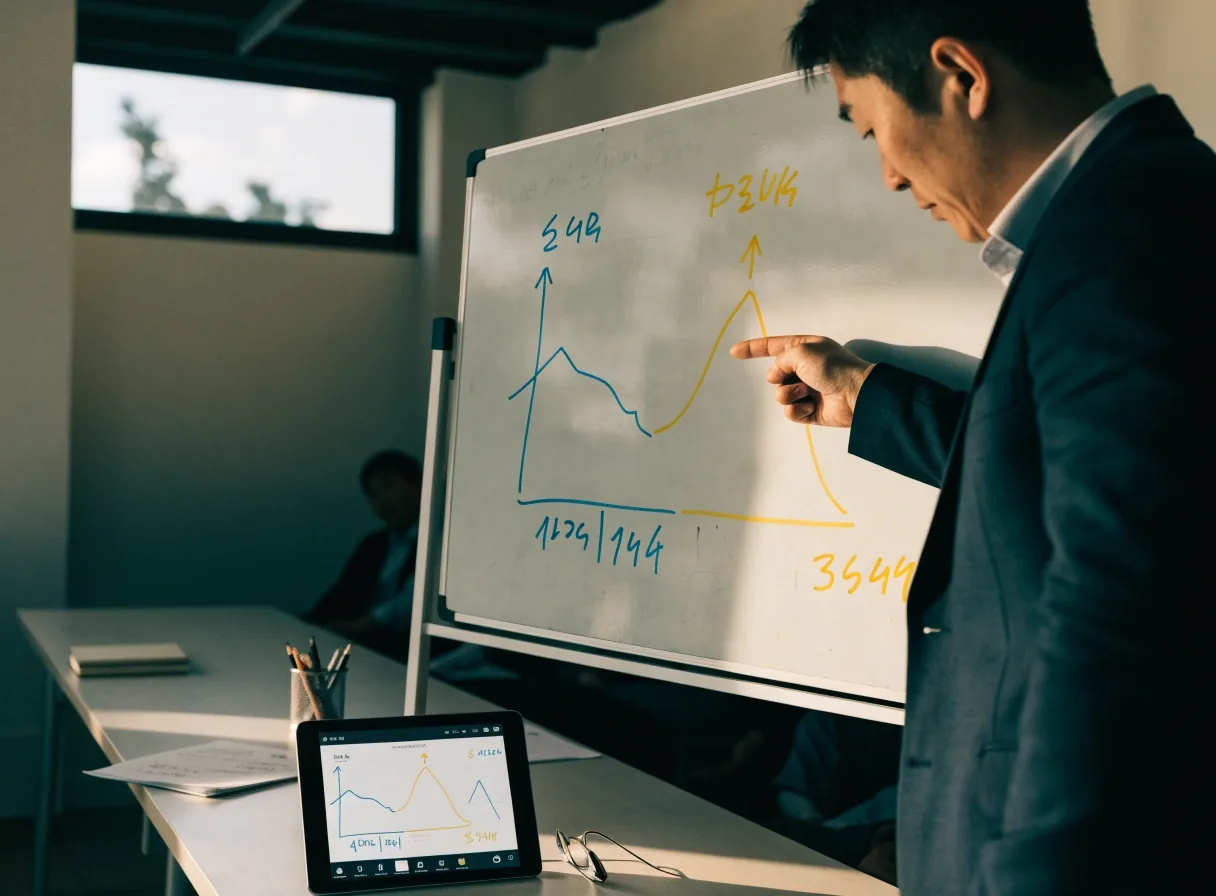
Cash flow management is the weekly habit of seeing what is due, what is owed, and what payroll needs. We cover payment terms, collections order, short forecasts, and separation of operating cash from tax reserves.

Includes a simple Monday review: receivables aging, payables due, bank balance, and next payroll date. No forecasts that pretend to predict sales, just a repeatable view of timing.

A manager pointing at a hand-drawn cash flow chart on a whiteboard in a Korean office, with a tablet showing a similar chart on the table.

VAT compliance in plain workflow language

For Korea, VAT compliance is about correct classification, evidence, and period close. We outline standard flows for sales VAT, purchase VAT, card sales, cash receipts, and exports where relevant. You will learn which reports your accountant usually asks for and how to keep them tidy inside the ledger. Fyntralis does not give tax advice, we show the bookkeeping steps that make advice easier to apply.

General ledger basics for non-accountants

The general ledger is the central record behind every report. We explain chart of accounts, double-entry bookkeeping in one example, and why edits need correction entries rather than deletions. Founders learn what not to touch, managers learn what to approve, bookkeepers keep control. One page, one example, enough to read a trial balance without guessing.

Service firms and project profitability

Service businesses live on time, retainers, and scope changes. We show how to track project profitability by tagging income and direct costs per client or engagement. Includes retainer drawdown, out-of-pocket expenses, and monthly margin review. Short method, useful for studios, agencies, consultancies, and maintenance firms in Seoul and Gyeonggi.

Product firms and inventory tracking

If you sell goods, inventory tracking ties purchases, stock movement, and cost of goods sold together. We compare periodic checks with perpetual tracking and show reorder signals that fit small warehouses. Covers returns, damaged stock, and year-end count preparation. Practical for online sellers and small distributors who reconcile Coupang, Naver, and card settlements.

VAT compliance record — period close Act III 11 Nov

The bookkeeping steps already agree

  • Sales and purchase ledgers kept by tax type
  • Electronic tax invoices linked to transactions
  • Period checklist before filing preparation
  • Archive of evidence by month and vendor

Four things a Korean accountant usually wants to see before they look at the filing. Keep them tidy inside the ledger and the review shortens.

An accountant's hand resting on a printed VAT return form beside a calculator and a laptop showing a VAT workflow screen in a cloud accounting app.

Late-afternoon review of a VAT period — paper on the desk, workflow on the screen.

Beginner path for the first two weeks Act V 14 days

Two weeks from a fresh account to a first close

  1. Week 1

    Chart of accounts, bank connection, open invoices and bills

    You open the software, set the accounts you actually use, connect one KRW bank account, and enter what is still open. Most owners get through this in two evenings.

  2. Week 2

    Matching rules, user roles, and a first close with your accountant

    You set matching rules for regular vendors, decide who approves a bill, and walk one monthly close with the person who reviews your books. Expect a short first session.

Common mistakes we see in week one

  • Mixing personal transfers with business receipts — keep the personal card outside the ledger.
  • Deleting an entry instead of posting a correction — deletions break the audit trail.
  • Reconciling monthly when the bank posts every week — set a short weekly routine instead.
Questions owners ask us before choosing Act VI answered

Four answers that save a week

These come up in almost every first conversation. Read them before you speak to your accountant so the meeting starts further along.

Still unsure? Ask a question — we point you to the guide that fits.

Ask a question

What cloud accounting software works well for a small business in South Korea?

Look for clean bank reconciliation, invoice automation that links to electronic tax invoices, KRW-first reporting, and a role your accountant can review. International tools help with usability and integrations, Korean platforms help with local tax workflows. Our comparisons map that trade-off by team type.

Should we pick a simple app or an ERP?

Simple apps suit service teams and early sellers with straightforward stock. ERP-style systems suit firms with approvals, multi-location stock, or manufacturing steps. If you outgrow user roles or inventory depth, plan a move rather than patching workarounds.

Which features matter for services versus products?

Services need time billing, retainers, and project profitability. Products need inventory tracking, purchase costs, and settlement reconciliation. Both need receivables, payables, and cash flow views.

Can Fyntralis recommend our tax filing?

No. We explain bookkeeping workflows and records so your licensed tax professional can advise. Bring our checklists to that conversation.

Where to walk next on Fyntralis Closure balanced